Elliott Franks: 30th August 1963 – 2nd August 2026
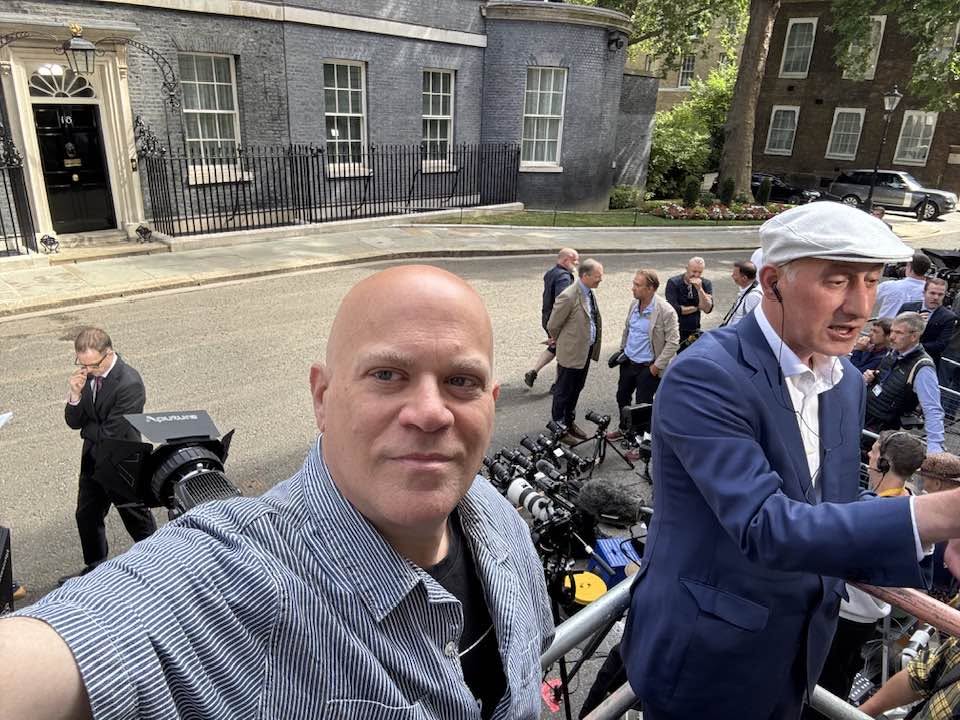
Selfie photograph by Elliott Franks amongst other journalists on Downing Street

Elliott was 62 when he died. We are publishing this tribute on 30th August 2026, the date of his 63rd birthday.

Elliott was my friend. I met him at a party conference in 2011, just as I was starting out in photojournalism. He immediately offered his knowledge and support. He told me what was happening, and where and when. He was totally open. In a room of cliquey, defensive agency photographers, Elliott was a freelancer who offered up everything he knew.

That generosity of spirit was expressed throughout his work. He wanted his photographs to be enjoyed by his subjects, permanently sharing publicly and privately, never prouder than when his vision was recognised by the people he photographed.

His ethics reflected a unique respect he had for the dedication and talent of those he documented. He once told me how upset he was after a photograph he’d made of a dancer was published, despite it not quite capturing the perfect position the dancer had attained. His “Arse Flare Man” photograph sold around the world, but his pride in that success would’ve been tarnished if he’d mistimed the image.

Elliott was the second of four children, born in Kingsbury, in North West London, after his older brother Russell and before his younger sisters, Adrienne and Vanessa.

His mother Myra was an insurance broker and his father, Phillip, a musician and retailer.

He was born with an extraordinary memory. He could approach a politician or performer and relate an obscure event where they’d featured and then go on to name each of a dozen other related people, who they’d have known and forgotten.

And his own skill as a musician, inherited from his father (a professional clarinettist and saxophonist) undoubtedly made him a better photographer of his fellow artists, despite it being something he rarely shared. He once published a flawless performance of Happy Birthday he’d played for a friend on the trumpet and then immediately, perhaps embarrassed, took it down.

He would wake up before dawn to search the papers for uses of his work, photograph random events he passed on the streets between jobs and be editing each day’s work, long after everyone else had gone home. And then he’d criticise himself for the moments and images he’d missed, the next day.

In the last couple of years, Elliott had been photographing “Stop the Hate” campaigners. As with all his work, he found a subject and documented it without pause, turning up with his camera time and again. Until he couldn’t.

The people he worked so hard to understand and relate in his work are calling him a mensch.

His youngest sister Vanessa said “He was a private person, who opened up to those who meant the most to him and then, when he did, he would share his world. He was thoughtful and kind, always there for me and my family, he gave the best hugs and had the best stories. He is so missed by us all.”

Elliott’s death was sudden, unexpected and long before he was done.

May his memory be a blessing.

See Elliott’s BPPA profile at: https://thebppa.com/author/elliott-franks-2/
His website and archive are at: https://elliottfranks.photoshelter.com/index
Alamy and their new contributor contract

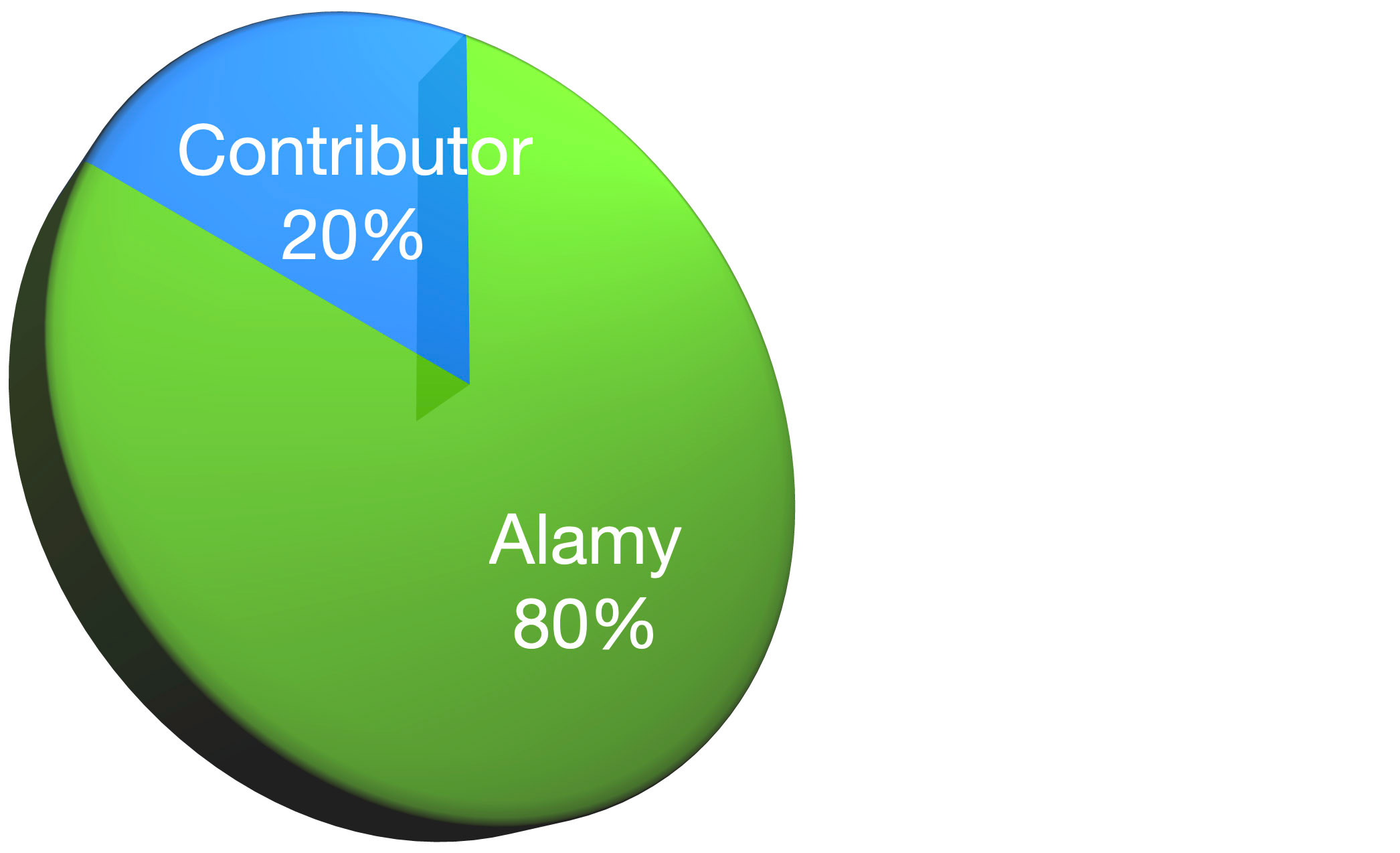
Alamy contributor pie chart showing 20% for the contributor and 80% for Alamy
As the Secretary of The BPPA I have today written to Lira Mendonca, Managing Director of Alamy, to express our concerns at the latest changes to the way that they pay their contributors, of which I have been one. Most of us have been receiving 40% or less of the already low licensing fees that they have been obtaining for our copyright material. Their latest changes, due to take effect on the 1st of September, reduce the share of the licensing fees that all but a few of us will make to either 20% or even 15%. With the number of $0.39 sales that they are generating most of us will earn very little having spent a long time adding our carefully keyworded images to their library – that’s less than £0.07 per image after the beginning of next month. Here is what I wrote:


Dear Lira

Re: Changes to Contributor Commission Structure – Effective 1 September 2026

I am writing to you as the Secretary of The British Press Photographers’ Association who also happens to be a contributor to Alamy as part of my day job as an editorial and news photographer with forty years of experience in the industry.

Within hours of Alamy’s email to contributors inviting them to look at the new structure and to read your blog we had received a number of messages from members who were asking the association to have a look at what it would mean for them and their large number of colleagues who have collections of images available for licensing through yourselves. We have taken some time and investigated what it would mean for our members and used a few members of our Board who, like me, license images through Alamy as examples of what it would mean.

Having to go between three different pieces of information to calculate where each contributor sat in your new payment structure was unnecessarily painful. Once we had overcome that hurdle it became clear that the vast majority of those who have pictures and who are making sales will have their percentage of those sales halved or worse.

Being paid twenty or even fifteen percent of the total amount of money achieved for already low licensing deals was, when we reported back, totally unacceptable to the vast majority of those we were working with. Many of us stuck with Alamy when the percentage paid to the copyright owner went down to forty percent but to have that halved, and more than halved, in many cases is unacceptable.

We are aware that Alamy needs to invest in technology constantly to remain competitive in a difficult marketplace. What we cannot accept is that contributors who have been loyal to your platform and who do not cause you any problems should bear the cost of it.

We would ask you, therefore, to do the following:

  1. Rethink your proposals and keep the contributors’ minimum share at 40%
  2. Introduce a way for those who wish to withdraw their copyright material to do so without the current six month plus period and unacceptable bureaucracy

The BPPA raised questions about, and objections to, the Getty Images and Shutterstock deal. We did it because of the harm it could have done to the market for news and archive photographs. Alamy’s latest move does nothing to help with that battle and many of our members who are contributors won’t want to have their work licensed for a percentage deal that makes it not worth their time or energy.

Thank you for your time and kind regards

Neil Turner
Secretary, The BPPA