Current affairs…

A group of photographers that I am teaching have got exams next week and there is a good chance that they will get one question on “current affairs” in the world of photography. Drawing up a list of potential topics I suddenly realised that there have been a lot of issues that affect us over the last year or so and I wondered how many working photographers will be totally up to date on all of them.
That got me thinking again (it’s turning into a bad habit) and I started to realise that anyone who bothers to take part in or even lurk around the countless web and email based discussion forums will probably be OK but that anyone who just gets up, does their job, sends in the invoice and then gets on with their life probably won’t be OK. These days, you have to work very hard to keep up to date but for those of you who are interested, here is the list that I came up with:

  • The Leveson Inquiry into the ethics, culture and practices of the press
  • Privacy laws
  • Photographers and the coverage of the recent riots
  • How the media deals with the repatriation of the bodies of dead servicemen and women
  • The Royal wedding(s)
  • What is a paparazzi and how does the public perception of the affect how we work
  • Real world health and safety for photographers at home and overseas
  • Citizen journalism and how to deal with it positively
  • The UK Press Card: its history and its place in the industry of today
  • What the 2012 Olympics will mean for all of us
  • Sports and entertainment licensing
  • Section 43, clause 44 and the current moves towards collective licensing

Not a bad list and I’m sure that there are other current topics that we all need to know about to do our jobs properly. We all know that the laws around police/media relations, copyright and human rights are having huge effects on our daily working lives. Has there ever been a time in the history of news photography where so much has to be known about so many things by so few?
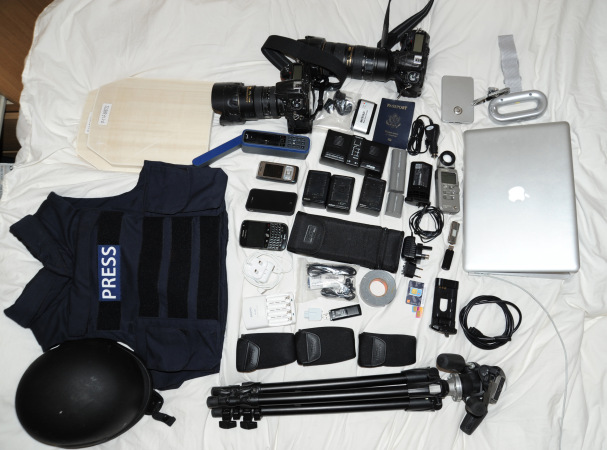
Check your insurance if you are covering civil disorder stories

©Michael Graae

Yesterday morning I received a renewal reminder from the company that insures my camera gear. Twenty minutes later I read a posting on a photographers’ discussion forum warning that some of the companies who offer specialist cover for press photographers equipment were saying that they were not going to pay out for equipment stolen, lost or damaged during the recent civil disturbances in London. I put on my “Vice Chairman of The BPPA” hat and got straight on the phone to the company that the association recommends to it’s members.
I had a long conversation with one of the directors of this major camera and public liabilities insurance brokerage regarding their position on claims from photographers who had equipment damaged or stolen during the recent violence.
He explained that they placed business with three separate insurance underwriters and that they were attempting to get a statement agreed by all three so that they could let us know what the definitive position was. As this was being negotiated, the Prime Minister was speaking during the emergency debate in the House of Commons. David Cameron mention the word ‘riot’ and said that there would be payments made under the 1886 Riot (Damages) Act. This led two of the underwriters to pull back from agreeing the statement until they could get clarification about the limitations of where and how the 1886 Act would be applied.
The insurance broker’s own interpretation of the Act says that at no time was a ‘riot’ declared and therefore they couldn’t see how payments under it could be expected. This left them having to make the decision to press the underwriters for their interpretations of the situation but the Association of British Insurers have not issued their guidance yet and therefore none of the insurance companies are prepared to stick their necks out either.
We mentioned that one of the other brokers had told a photographer that their claim would be paid. He was surprised by this given that none of the London underwriters had made a decision yet.
We went on to talk about the cost of policies where full riot cover would be included and his estimate was that the current policies costing between 2% and 3% of the value of the kit insured would rise to between 15% and 20% and possibly more. He said that they would be happy to find any deals out there but that the existence of the 1886 Riot Act would remain a complicating factor.
To sum up, we don’t know whether their underwriters will pay out themselves or whether they will pass the costs onto the Government. The worst case scenario would be if the 1886 Act does not come into play but that the underwriters take a very strict line on their policy wording and not pay out if you, as a photographer, went to cover the disturbances in full knowledge of the dangers involved.
The best advice for those affected on the first night in Tottenham would be to say that you went to cover a protest demo and it developed into civil disorder whilst you were there and that you were not able to avoid remaining. The other nights are more difficult because few people went to shoot those events ‘by accident’.
If there are pictures of you wearing helmets or body armour anywhere you should consider removing them. Blog posts, tweets and Facebook entries could prove that you knew what you were letting yourself in for as well. We are not advocating committing insurance fraud but you need to decide before submitting a claim what your position at the time was. If you are claiming with any of the major insurance brokers I would suggest that you get a crime number and hold back, if you can, until we get a definitive statement.